
What your AV integrator should learn before they touch your project
You can design a beautiful room and still hand it to someone who makes it sound wrong. The installer arrives late in the project, and their choices decide whether the space performs. Here is what we teach at Avenue University, our free, hands-on training, and why it matters to your designs.
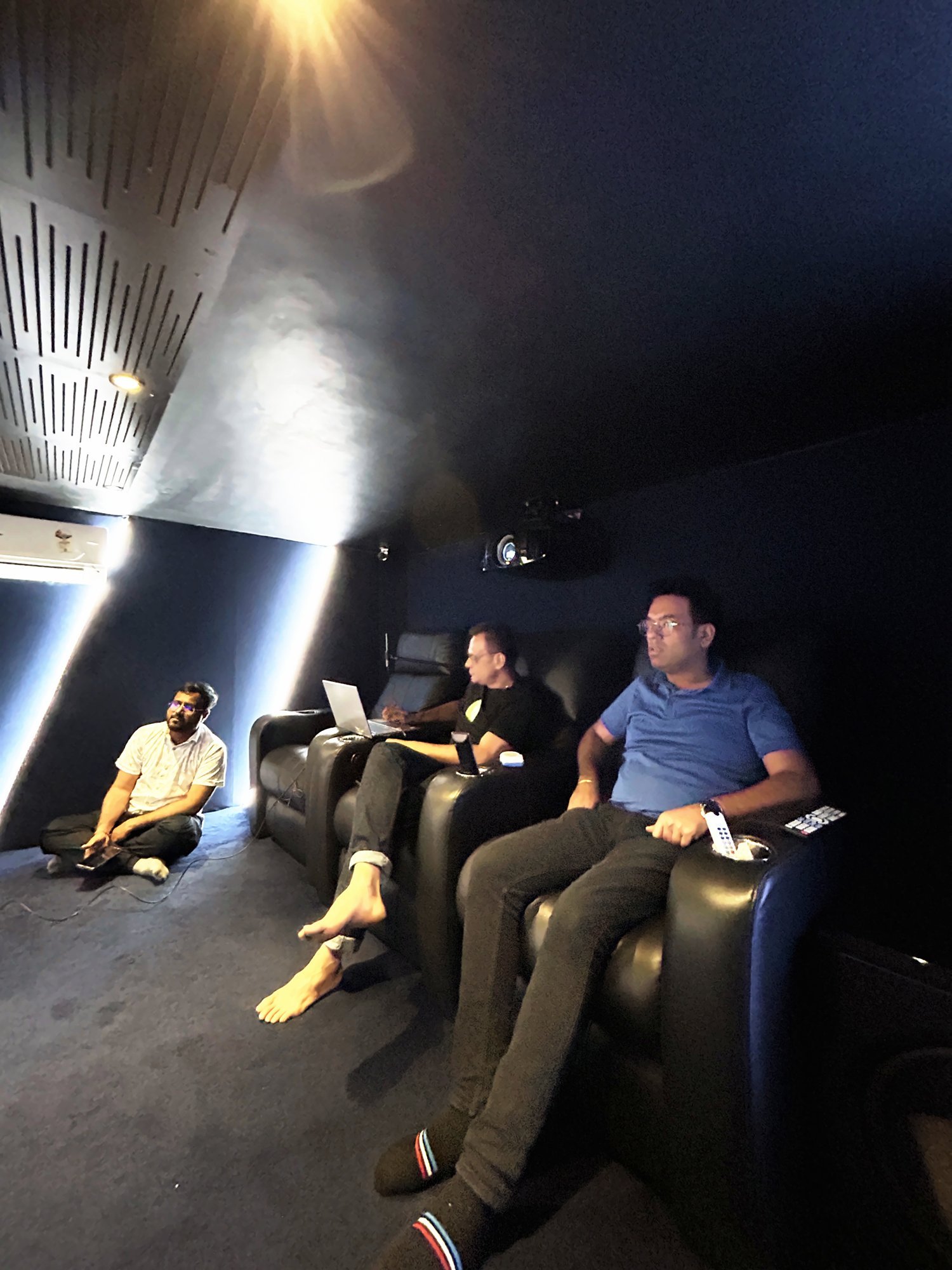
1. How rooms behave, before any equipment
Every session starts at the table, with how rooms behave. Equipment comes later.
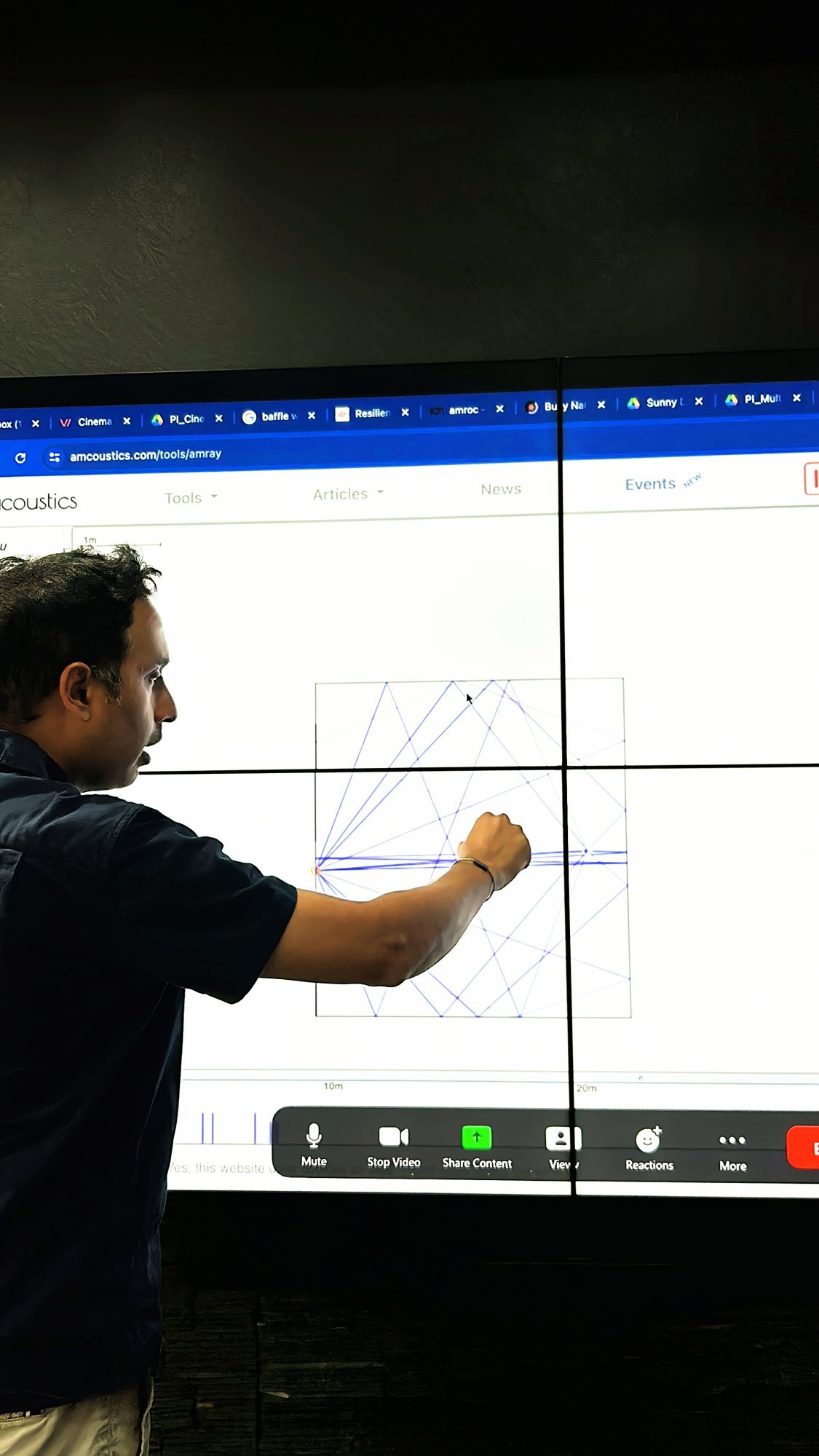
2. Reading what a room is telling you
Participants learn to read measurements, so decisions are based on how the room actually behaves rather than on a spec sheet.
3. Treatment is a design element too
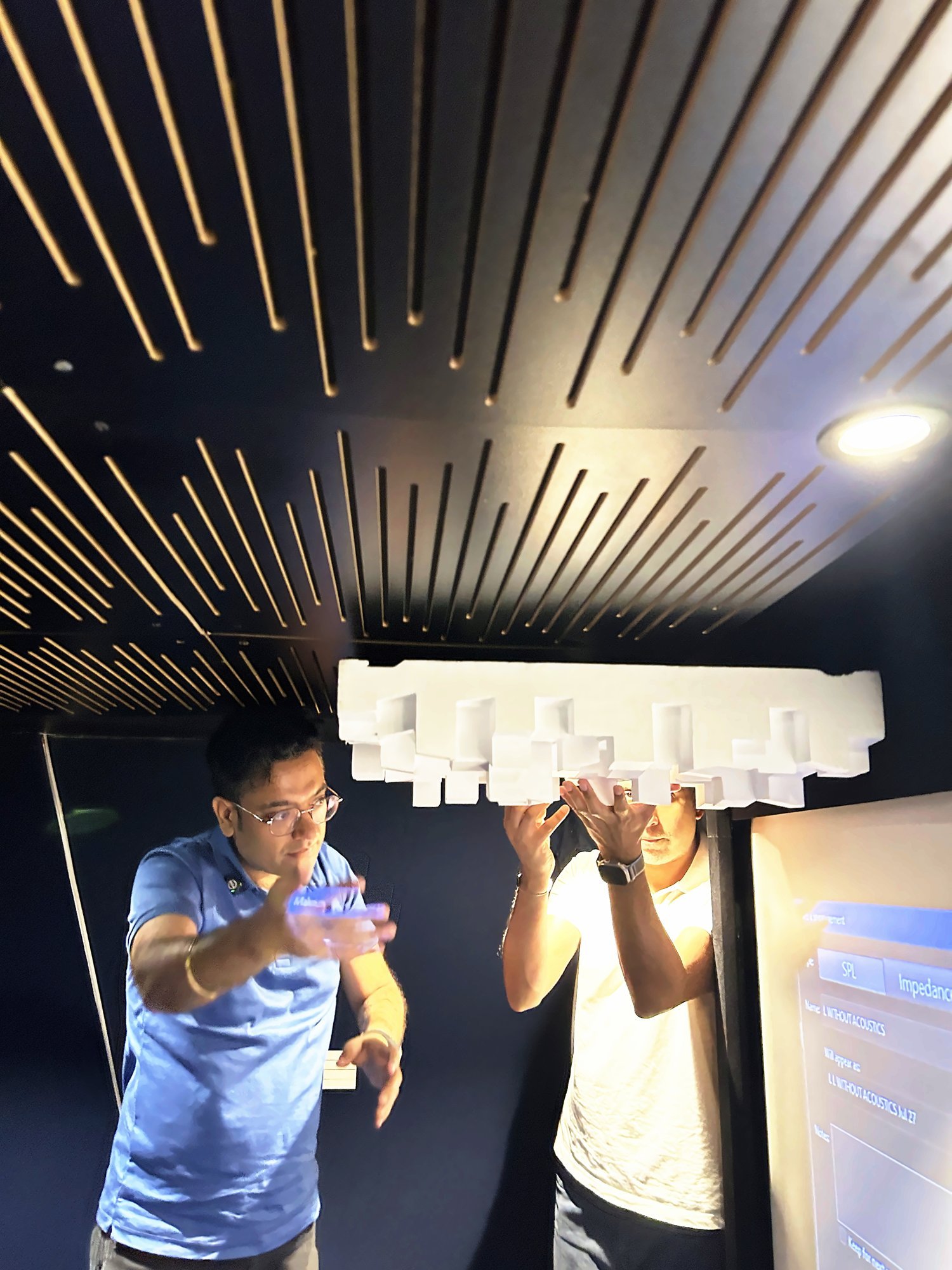
Real acoustic panels and diffusers come out of the box and into people’s hands. Placement matters, so we move them and listen.
4. Measure where people actually sit
The measurement microphone goes where people sit, not where it is convenient. That is the heart of calibration, the step most installations skip.
5. Then everyone listens, from every seat
The moment that matters is when the group stops looking at the laptop and starts listening, seat by seat, and hears the difference for themselves. No manual can teach that: you have to be in the room.
6. Ask who trained your installer
When you bring an integrator onto a project, ask how they learned to measure and tune a room. If there is someone you trust who should be in a future batch, Avenue University is free to attend.
About the programme: Avenue University · Our home theatre work
Hear it before you specify it
Architects and interior designers are welcome to visit an Avenue Sound Experience Center: sit in a calibrated theatre, walk through multi-zone audio and bring your next project along for a conversation. Weekends are by appointment.
Nothing We Do Is Ordinary